A Cream Tea Road Trip: 8 Bakeries and Tea Rooms Worth the Detour in Cornwall
October 13, 2026 - Bakeries

October 11, 2026 - Reviews
October 10, 2026 - Recipes
October 08, 2026 - Recipes
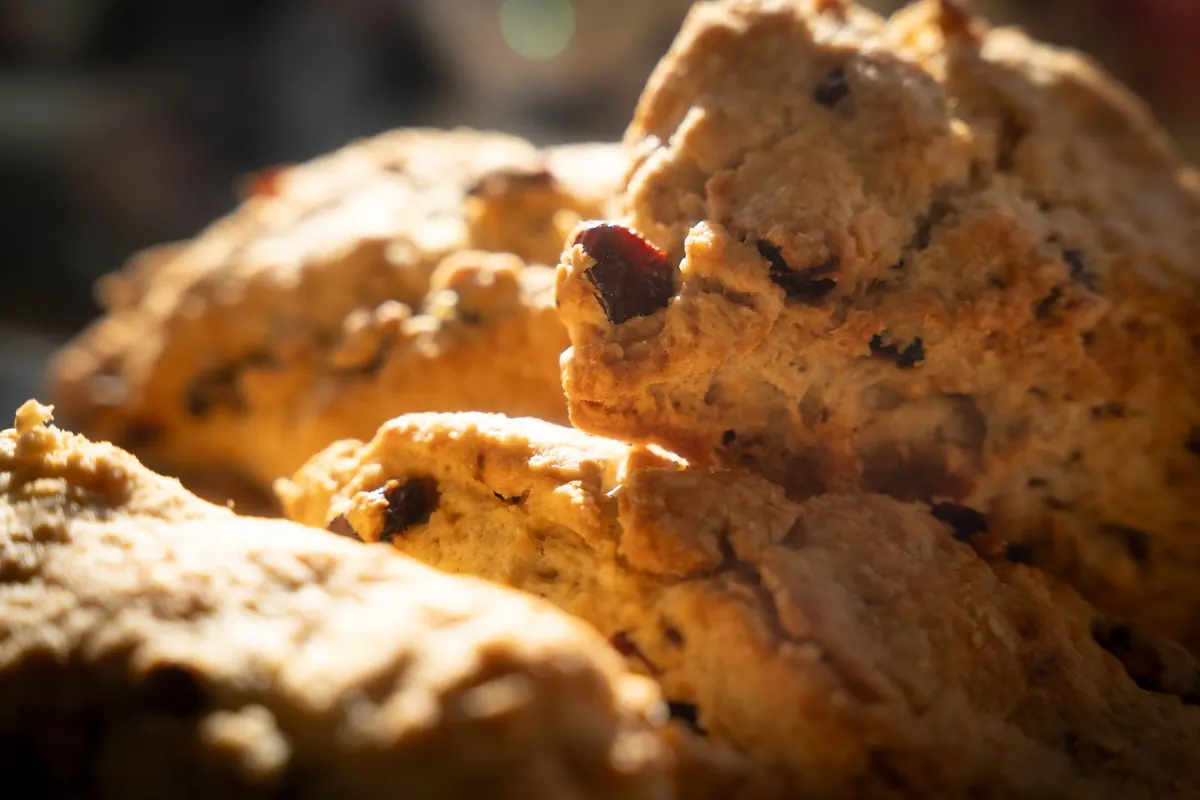
Ask two people from the West Country how to build a cream tea and you will not get two opinions so much as two rival catechisms. In Devon, the cream goes on first — a thick, cool raft of clotted cream — and the jam sits on top. In Cornwall, the jam goes on first and the cream crowns it. Both sides speak with the calm certainty of people who have never seriously considered the alternative, and both can produce a grandmother, a village bakery or a childhood holiday as evidence.
The odd part is that the argument is younger than most people imagine. Scones, jam and clotted cream have been eaten together in south-west England for a long time, but the strict order of assembly is a twentieth-century quarrel — kept alive by county pride, holiday marketing and the fact that the combination is genuinely very good.
The split is easy to state. A Devon cream tea is scone, cream, jam. A Cornish cream tea is scone, jam, cream. Everything else — which scone, which jam, how much cream — is detail.
The logic behind each method is worth understanding, because it explains why neither side has ever budged. In the Devon reading, cream is doing the job butter would do: it is the rich underlayer, and the jam is the sweet finish on top. In the Cornish reading, jam takes the butter role, and cream is the topping — the visible flourish, and the ingredient the county is proudest of.
One thing both traditions tend to share: the scone is split, not sliced. Pulled apart with fingers or eased open with two forks, it gives a rough, fluffy surface that holds cream and jam far better than a clean knife cut, which tends to smear and compress.
Clotted cream came first, and it did not come from a tea room. It came from farms with more milk than they could sell or drink. Cream was scalded gently over low heat, then left to cool slowly until a thick, wrinkled, pale-gold crust formed on top. That crust was lifted off and kept — a way of concentrating the richest part of the milk into something that kept far better than fresh cream. Stories about monks scalding milk in the eleventh century get repeated often; the documentary trail is thin, but the technique itself is old and unmistakably agricultural.
The scone as we know it is newer. Once baking powder and cheap flour were widely available in the nineteenth century, a light, quickly made, slightly sweet bun became something any household could produce in twenty minutes. Before that, cream teas — where the phrase appears in print at all, mostly from the late Victorian period onwards — were more often built on splits: small yeasted buns, lightly sweetened, split and filled. Splits still turn up in both counties, and a good one makes an excellent case for itself.
What we would recognise as a cream tea emerged from farmhouse hospitality and, later, tea rooms: local cream, local jam, something baked that morning, and a pot of tea. It was regional food served to visitors, and visitors took notes.
The railways did the rest. Once trains carried holidaymakers down through Devon and into Cornwall in the second half of the nineteenth century, seaside towns and country tea rooms had an audience that wanted something local, photogenic and quick. Cream tea fitted perfectly. Guesthouses served it on the lawn; hotels printed it on menus; bakers started making scones by the tray.
As tourism grew, so did branding. A "Devon cream tea" and a "Cornish cream tea" became selling points, and a selling point needs to be different from the one next door. The order of the jam and the cream was precisely the kind of small, defensible difference that could be claimed, repeated and defended. Neither county invented the argument so much as discovered it was useful.
Devon's position is that cream is the butter. Spread it on the open scone first and you have a rich, slightly firm base; spoon jam over it and the jam stays where you put it instead of sliding off a slick surface. It also keeps the ratio honest: the cream is thick and heavy, and putting it underneath means you taste it with the crumb rather than as a separate cap. Devon has the advantage of being the older, more established name in cream tea tourism, and it leans on that.
Cornwall's position is that jam is the butter — a spread, and spreads go on first. Cream is the star ingredient and belongs on top, where you can see its crust and judge whether it has been properly clotted. There is a practical argument too: jam grips a crumbly scone, giving the cream something to sit on rather than a surface that shifts under the spoon. Cornish clotted cream also holds a protected designation, which its defenders enjoy mentioning whenever the subject comes up, and the county's wider food identity — pasties, pilchards, saffron cake — has always been worn proudly.
Most people eat a cream tea the way it was first handed to them, and defend that version for life. Beyond memory, the dispute survives because it is cheap, harmless and fun, and because it lets two neighbouring counties with a lot in common disagree about something that costs nothing to lose.
What both camps actually agree on is more or less everything that matters to the finished plate:
If you are feeding a mixed group, stop trying to pick a side and set out the components instead. Put the cream and the jam in separate bowls, each with its own spoon, and let everyone assemble their own. The order argument largely evaporates when nobody is being served a finished, opinionated scone.
A few things make more difference than the sequence:
Then leave the table, say nothing, and watch. Someone will put cream on first. Someone else will quietly reverse it. The scone will be gone either way, which is the only outcome that has ever really mattered.
Photo: James Collington / Pexels

Eight Cornish bakeries and tea rooms worth building a road trip around, with what to order, when to arrive, and how...
We baked six widely available scone mixes side by side, scoring rise, texture, flavour and value — and noting which...
October 11, 2026 - Reviews
October 10, 2026 - Recipes
Copyright © 2026 Scone Bulletin. All Right Reserved.