A Cream Tea Road Trip: 8 Bakeries and Tea Rooms Worth the Detour in Cornwall
October 13, 2026 - Bakeries

October 11, 2026 - Reviews
October 10, 2026 - Recipes
October 08, 2026 - Recipes
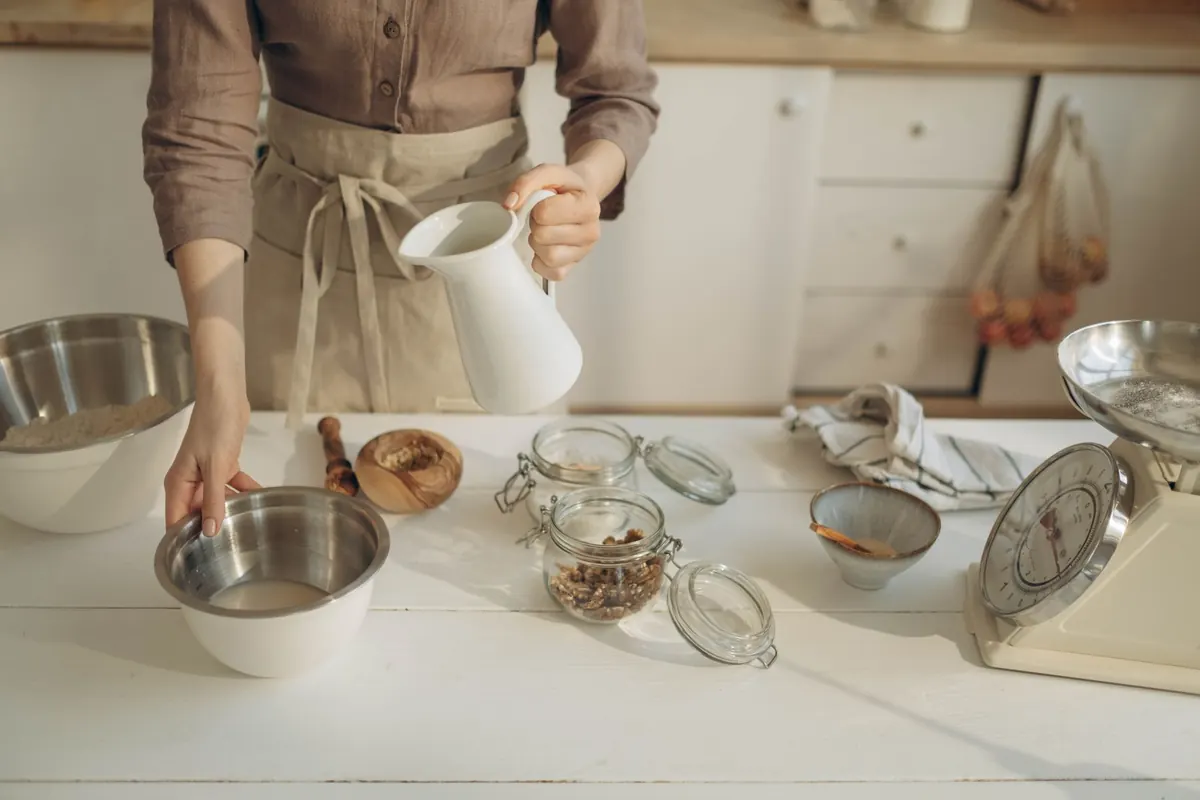
Tip a mix into a bowl, add a liquid, stir, bake. That is the entire promise of a supermarket scone mix, and on paper it is a good deal: a batch of scones in fifteen minutes, one bowl, no pastry blender, no cold hands. The catch is the fat. Most mixes replace cold butter with a shelf-stable fat powder so the box can sit in a cupboard for a year, and that is exactly what costs them the flavour and the flaky break of a scone made from scratch.
We baked six widely available mixes in one afternoon, following each pack to the letter, then re-baked every one with a few small adjustments. Some surprised us. A couple tasted like nothing much at all until we intervened.
Every batch was mixed by hand in the same bowl, patted to an even thickness, cut with the same floured cutter and baked on the same tray at whatever temperature the pack specified. We tasted each one warm, at room temperature and the next morning, because a scone that is lovely at 4pm and cardboard at breakfast is only half a product. Scoring came down to four things:
Pack sizes, prices and recipes change constantly, and the same mix often turns up under several labels depending on where you shop. So we have described each one by type instead of by brand. Match the description to the shelf in front of you.
The cheapest thing on the shelf and the most popular for good reason. It rises bravely, sometimes too bravely, with a tendency to tunnel and lean. The crumb is fine and slightly dry, and the flavour is thin: flour, sugar, leavening, not much else. Treat it as a base rather than a finished product. Add a pinch of salt, grate in some cold butter, throw in cheese and chives or soaked raisins, and it becomes genuinely good. Best value in the test if you are feeding a crowd.
The yellow-boxed biscuit-and-pancake blend that asks you to cut in butter or shortening before adding milk. Do that properly with cold butter and you get a respectable, tender scone with a decent rise. Take the shortcut printed on the side of the box — liquid oil stirred straight in — and they spread flat and taste greasy. The advantage is versatility: the same box makes dumplings, cobblers and pancakes, so nothing goes stale at the back of the cupboard.
Sold in the international aisle, usually in a smart box with a picture of a chipped enamel teapot. It contains dried dairy, which shows: this is the only mix that tasted of actual cream. The rise is modest and it spreads rather than climbs, but that is roughly what a proper cream tea scone does anyway. The texture is short and crumbly; overmix and it turns sandy. Expensive per scone, but the one to buy if the scones are the point of the afternoon.
Usually from a mill or a heritage brand, and the only one that asks you to rub in your own butter. That single step is the whole difference. Cold butter melts in the oven and leaves layers; the crumb is tender without being cakey, the tops crack properly, and the flavour is clean rather than chemical. Mid-priced, and worth every penny over the budget boxes. This is the mix that fooled a house full of people into asking who baked them.
A big, cheap bag aimed at cafes, church halls and anyone making sixty scones at once. It is salty, heavy and gummy if your water measurement is even slightly out, and the fat powder leaves a faint soapiness at the back of the throat. Rise is inconsistent between batches. Fine if you need volume and plan to serve them hot with plenty of jam; disappointing on a plate by itself.
Better than it was five years ago. Extra leavening and a gum blend give a decent lift, and the texture on day one is close to convincing. Two problems: some flour blends carry a beany aftertaste, and the crumb goes gritty and crumbly by the next morning. Let the mixed dough rest for ten minutes before shaping so the flour can hydrate, and bake them the day you want them. If you are baking for someone with coeliac disease, check the pack carries a proper certification and that your bowls, tray and cutter have not been used for wheat flour.
After six batches, the variables that mattered had nothing to do with marketing. Fat source came first: mixes that let you add cold butter beat mixes with fat already blended in, every time. Liquid temperature came second — cold milk or cream, straight from the fridge, keeps the butter solid until it hits the oven. Thickness came third; anything thinner than about 2 cm (¾ inch) will not rise into a proper scone. And handling came last but not least: the more you knead, the tougher the crumb.
If you want the closest thing to homemade without measuring flour, buy the mix that makes you rub in your own butter. It takes an extra three minutes and produces a scone that is genuinely worth serving to guests. If budget is the priority, buy the own-label box, add salt and grated butter, and lean on strong flavours like cheese, chives or treacle to carry it.
Skip the catering bag unless you are feeding a crowd outdoors. And whatever you choose, bake them the day you want them, eat them warm, and have the jam and cream already out on the counter before the tray comes out of the oven. That, more than any box, is what makes a scone taste homemade.
Photo: Ron Lach / Pexels

Eight Cornish bakeries and tea rooms worth building a road trip around, with what to order, when to arrive, and how...
Eight cold-weather scone flavours, from spiced apple to cheddar and sage, with quantities, moisture adjustments and...
October 11, 2026 - Reviews
October 10, 2026 - Recipes
Copyright © 2026 Scone Bulletin. All Right Reserved.